Authentic Designer Furniture Hong Kong for Luxury Homes
What elements create a luxurious home escape? The answer lies in the details—meticulously chosen objects uniting modern flair and timeless workmanship. Stockroom turns that concept into actuality, offering exclusive collections that redefine elegance.
Boasting outlets in Wan Chai and Mong Kok, Stockroom serves as the go-to for opulence. Peruse 358+ select items, offered in our showroom or online. VIP offerings feature made-to-order marble tables and custom-designed sofa beds crafted for your individual preference.
If you’re in Wan Chai, receive same-day delivery across a 3km radius. Enhance your living space with Coffee table Hong Kong, as each item narrates a tale of refinement and excellence.
Critical Points
- Stockroom is a top destination for luxury, with showrooms in Wan Chai and Mong Kok.
- Premium assortments combine modern flair with enduring workmanship.
- View 358+ carefully chosen items, purchasable in-store or online.
- VIP services include custom marble tables and upholstered sofa beds.
- Wan Chai patrons receive same-day delivery up to 3km away.
Introduction to Designer Furniture in Hong Kong
Hong Kong remains a lively hotspot for groundbreaking decor ideas. The city blends tradition with modernity, creating a unique space for luxury and creativity. At Stockroom, we’ve been part of this journey for over 15 years, sourcing European-quality pieces that redefine elegance.
Our spaces in Wan Chai and Mong Kok exhibit a broad spectrum of styles. Ranging from Modern Vintage to Industrial Loft and Scandinavian Minimalism, we appeal to all sensibilities. Each piece is crafted with precision, ensuring both beauty and durability.
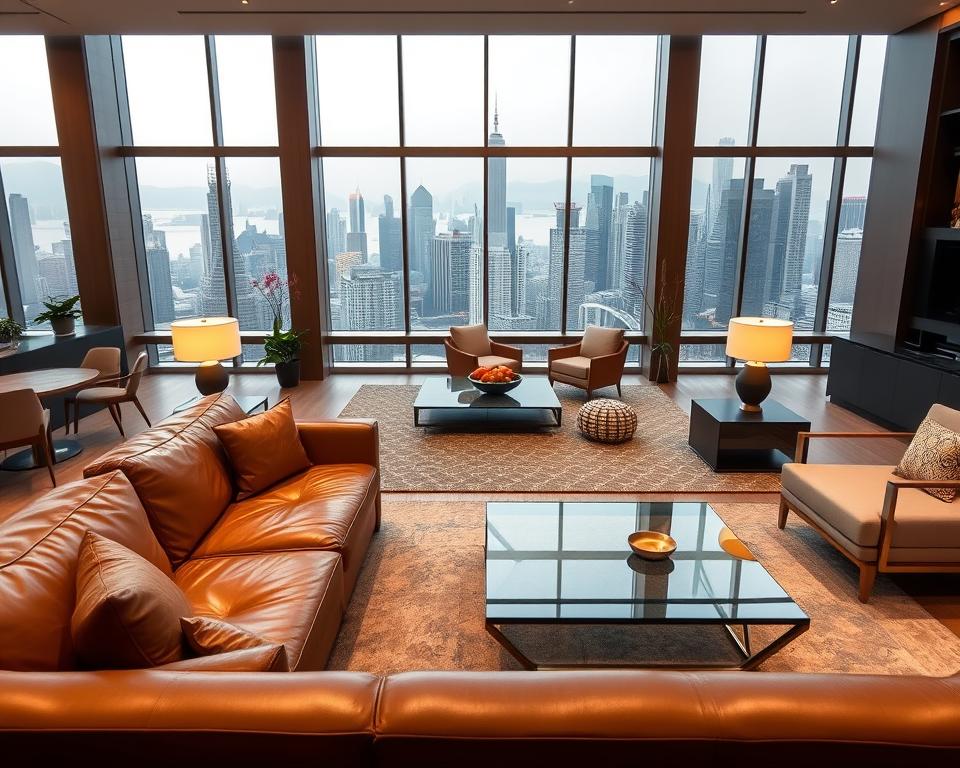
We take pride in unveiling state-of-the-art materials such as scratch-proof ceramic tabletops. These developments unite purpose and elegance, suited to modern residences. Whether revamping or building from scratch, our assortments deliver boundless choices.
For those seeking a personalized touch, our VIP interior design consultation services are here to help. Our experts work closely with you to create spaces that reflect your unique vision. Head to Stockroom today to see the finesse of premium home decor.
Premier Choices for Luxury Dining Tables
Improve your dining experience with luxury tables that combine style and functionality. Stockroom provides distinct designs crafted to render each dinner unforgettable. Our collection includes the best-selling 10-seater solid oak table, featuring butterfly extensions for added versatility. Costing $51,380 to $72,780, it stands as a perennial home asset.
For those who prefer a modern touch, our expandable marble table is a standout choice. Priced from $42,380 and featuring an 18-month assurance, it offers stress-free confidence. Whether you’re hosting a dinner party or enjoying a family meal, these tables are built to impress.
Selecting round versus rectangular tables relates to your room layout and taste. Round tables generate intimacy, fitting well in petite areas. Conversely, rectangular tables grant more seating capacity and a traditional charm. All versions are provided to accommodate multiple preferences.
Looking after your luxury table is undemanding yet vital. Use a soft cloth to clean solid wood surfaces, avoiding harsh chemicals. With marble tables, frequent sealing sustains their immaculate look. Adhering to these instructions sustains your table’s star quality.
Buying a top-tier table becomes simple thanks to our payment plans. Should you buy over HK$30,000, we provide adaptable payment arrangements to align with your budget. Head to Stockroom now and uncover the ultimate dining table to boost your home.
Refined Sofas for Your Family Room
Discover the perfect blend of comfort and style with our curated sofa collection. If you want a showstopper or a practical feature, our sofas intend to advance your living room.
The 3-person Italian leather settee is top-rated. It features built-in USB charging ports, making it ideal for modern lifestyles. The minimalist shape and quality materials allow it to be a room’s focal point.
Pet parents can choose from our spill-proof textiles that offer longevity and simple maintenance. Over time, these textiles retain their initial appearance, proving ideal for bustling homes.
Within our TV cabinet Hong Kong range, you’ll find space-efficient sleeper sofas. Incorporating memory foam cushioning, these sleeper sofas give remarkable comfort to guests. Made for tiny dwellings, these options intersect versatility and flair.
For cushion cores, we provide duck-feather fill or high-rebound foam. Duck feather provides a plush, luxurious feel, while high-resiliency foam offers firm support. Each choice aims to hold form for years.
| Cushion Filling |
Features |
Best For |
| Feather Fill |
Cushiony, indulgent sensation |
Those craving luxury seating |
| High-Res Foam |
Sturdy backing, long-lasting |
Everyday use households |
Make the most of our existing showroom piece markdowns, slashing prices by up to 40%. These original pieces are available for a limited time, so don’t miss out on the opportunity to improve your lounge area.
Elegant Side Tables and Storage Cabinets
Reimagine your surroundings with handy and stylish accents that fit effortlessly into your home. Be it ceramic-topped side tables or industrial-chic metal armoires, our inventory provides multipurpose elegance for all areas.
Nesting tables featuring marble detailing are a prime selection. Every version provides undercover storage, optimal for compact rooms. The smooth silhouette contributes grace and arranges your items efficiently.
Collectors will find our lockable showcase cabinets indispensable. They offer both protection and elegance for displaying treasured items. Tempered-glass openings allow viewing without sacrificing protection.
Those passionate about wine will value our moisture-regulated credenzas. Constructed to hold bottles at ideal environmental levels, these sideboards fuse utility with a chic look. They make a superb enhancement to dining or lounge spaces.
Wall-affixed console tables excel in tiny homes by saving floor area. They provide functionality and maintain elegant design. Their simple lines match various themes, making them highly adaptable.
Polish off your aesthetic with our cohesive lounge collections. At a 15% combo discount, these ensembles offer harmonized side tables and cabinetry. Taking a unified strategy creates a balanced and polished atmosphere.
If you need a focal accent or a functional necessity, our range covers all needs. Discover our fashionable side tables and cabinets today to boost your interior design.
Luxury Light Fixtures to Enhance Your Home
Lighting plays a crucial role in setting the mood and enhancing the ambiance of your home. Stockroom supplies elite lighting merging design and utility to reinvigorate any room.
Our modifiable pendant lights, selling for $6,080–$8,180, serve as a striking accent in your dining or living area. These flexible fixtures let you adjust both drop and tilt, guaranteeing an ideal position for your space.
For a modern touch, explore our Smart LED systems starting at $21,180. These app-controlled systems feature circadian rhythm settings, which adjust the light intensity to mimic natural daylight. This not only enhances comfort but also supports your daily routine.
Seeking a focal fixture? Our Murano glass chandeliers equipped with dimmers deliver elegance to any interior. Carefully fashioned, these chandeliers merge practicality and striking beauty.
Energy-saving LED solutions are another highlight of our collection. They can cut energy costs by as much as 40%, offering a green and budget-savvy solution. Team them with our outdoor-capable patio lights to ensure a smooth indoor-to-outdoor connection.
Every purchase includes professional installation services, ensuring your lighting is set up perfectly. If you’re refitting or beginning from scratch, Stockroom offers top lighting choices to illuminate your setting.
Chic Chairs for Every Room
Seats are beyond mere furniture—they express both design and coziness. Be it a snug lounge or a streamlined workspace, the perfect chair revamps your area.
Our ergonomic workspace chairs echoing Herman Miller emphasize function and comfort. Selling for $10,480 to $13,880, they have adjustable lower-back comfort and ventilated mesh backs. Suited to lengthy work hours, these chairs marry functionality and current design.
For a luxurious accent, view our bouclé living chairs along with ottomans. They suit the creation of a tranquil corner in your abode. Their smooth material and understated colors help them blend with any style.
When it comes to dining chairs, material matters. Wood gives an enduring aesthetic, while metal brings a modern vibe. Conversely, acrylic chairs bring a smooth, minimalistic presence. Each material has its unique charm, so choose based on your style and needs.
Outdoor spaces deserve attention too. Our stackable chairs with UV barriers remain vivid through severe conditions. Featherlight but resilient, they work well on verandas or patios.
Take advantage of our limited-time offer: Purchase one, receive one at half price on chosen styles. This limited-time offer is your chance to improve your home without breaking the bank.
- Ergonomically optimized chairs for better performance and ease.
- Bouclé leisure chairs and matching ottomans for a comfy nook.
- Dining seating in wooden, metallic, or acrylic styles to fit any decor.
- Outdoor stackable seating with UV-resistant coating for longevity.
- BOGO 50% off promotion on select styles.
Dining Room Essentials
Building an eat-in space that’s warm and lavish starts by selecting the right basics. From a flawless table to modern chairs, every component contributes to a cohesive and luxurious design.
Ideal tabletop heights fall from 28″ to 30″ to fit different seating styles. Refer to this concise table for matching advice:
| Chair Type |
Ideal Table Height |
| Traditional Dining Chairs |
Between 28 and 30 inches |
| High Bar Stools |
Thirty-six to forty-two inches |
| Prep Counter Stools |
24 inches to 26 inches |
Pair your table with stain-resistant linens from Stockroom’s accessory line. These textiles blend practicality and style, turning cleanup into a snap and gifting your meals a polished edge.
For hosting aficionados, china cabinets with glassware storage features are vital. They store your tableware and glassware neatly and accessibly, making every meal remarkable.
Polish your dining aesthetic with our 10-piece dinner sets, presented in multiple looks. They offer every piece required to form an elegant, coordinated table display, suitable for ordinary or extraordinary meals.
Struggling with arrangement? Our expert space planners can guide you. Whether you have an open-concept area or a compact dining room, our experts will create a layout that maximizes both style and functionality.
From solid oak tables to paired chairs, Stockroom supplies everything needed to advance your dining space. Visit us today and discover the perfect pieces to transform your space.
Luxury-Defining Materials
The heart of elegance is within the materials that constitute it. Beginning with responsibly sourced oak to 304 stainless steel and top-tier marble, each option offers singular traits and strength. Investigate the materials that convey refinement and useability.
Speaking of wood, oak, walnut, and teak stand out for robustness and elegance. Take a look at this short comparison:
| Wood Type |
Durability |
Best Use |
| Solid Oak |
Superior |
Tables, cabinets |
| Walnut |
Average |
Side tables |
| Solid Teak |
Superior |
Outdoor furniture |
Copper alloy with antimicrobial properties transforms high-contact areas. They appear polished and also support cleanliness, perfect for kitchens and baths.
Heat-resistant ceramic coatings are another innovation worth considering. Ideal for countertops, they endure high heat and retain their immaculate finish. This makes them both practical and stylish.
Wondering about the right material? Take part in our sample program. We offer free home delivery of samples, allowing you to see and feel the quality before making a decision.
For those who prioritize sustainability, eco-friendly alternatives like bamboo composite are an excellent choice. They hold up well over time and are planet-friendly, matching today’s values.
Covering established wood to modern metal and ceramic coatings, optimal materials craft an opulent oasis. Explore our collection today and discover the perfect fit for your space.
Designer Furniture for Small Spaces
Optimizing room in cozy homes needs clever, chic items. At Stockroom, we specialize in pieces that combine functionality with elegance, making every inch count.
Wall beds, starting at $34,280, are a game-changer for studio apartments. They collapse neatly, liberating precious floor area when not in use. Pair them with expandable coffee tables ($7,080-$7,680) for a versatile setup that adapts to your needs.
Versatile ottomans offering undercover storage serve to organize clutter. They function as extra chairs, footstools, or mini tables, and keep your items neatly hidden.
For at-home professionals, desks with height options are critical. These desks fit perfectly in compact spaces, offering ergonomic comfort without compromising on style. Thin-depth sofas below 32″ in width serve as another fine option for compact spots, granting ease without crowding.
Reflective furniture smartly magnifies ambient light and simulates a larger area. From cabinets to consoles, these pieces add a touch of glamour while making your home feel larger.
Require layout support? Our $1,800 space planning service grants expert help to configure your area. Whether you’re furnishing a studio or a cozy apartment, Stockroom has the perfect solutions to transform your home.
Ageless Pieces for an Elegant Home
Creating a classic home is about blending tradition with modern elegance. At Stockroom, we offer curated pieces that stand the test of time, ensuring your space remains stylish for years to come.
Chesterfield couches, listed at $47,780, represent lasting elegance. Empowered by buttoned leather and rolled arm supports, they instill sophistication into any room. Pair them with Persian-inspired rugs ($64,880) for a cohesive look that exudes luxury.
History lovers should check out our reproduction antique writing desks. All desks present hand-chiseled wood motifs, exemplifying the workmanship of old eras. More than functional, these desks double as fine art pieces.
Traditional fabric patterns imported from European textile houses lend more sophistication to our assortment. Here is a side-by-side look at our top fabric prints:
| Pattern |
Origin |
Best Use |
| Damask |
French Mills |
Drapery, upholstery |
| English Toile |
British Weavers |
Feature chairs, throw pillows |
| Brocade |
Italian Mills |
Accent furniture |
Our restoration experts revive heirloom items so they keep looking stunning for years. Whether it’s an ancestral possession or an old-time piece, our restorers can revive it.
Collectors will love our limited-number series.
All units are singular, serving as treasured house additions.
Browse our ageless items now to shape a home that reflects you.
Affordable Luxury: Sale Items
Landing opulent Sectional Sofa Hong Kong on a budget is more effortless than you realize. Our exclusive sale bargains bring first-rate quality without the hefty price. Be it a fashionable sleeper sofa or a full dining ensemble, we meet your needs.
See our current discounts: sofa beds at HK$8,980+ and dining sets at HK$7,980+. These pieces combine elegance and functionality, making them perfect for any home.
Catch our 72-hour flash sale pieces, refreshed every week. These momentary markdowns display our highly demanded items at incomparable values. Hurry—these specials end quickly!
For deeper discounts, browse our showroom models at up to 60% off the original price. These pieces are in excellent condition and ready to improve your space.
Our clearance section is another treasure trove of last-season styles. These items are perfect for those who want to stay on-trend without overspending. Moreover, extended warranty protection covers all sale items for extra security.
VIP members enjoy early access to all sale events, ensuring you get first pick of the best deals. Become a VIP member now to unlock savings on premium home items.
Customizable Furniture Options
Tailoring your space to your taste is effortless with customizable choices. Whether you want a one-off centerpiece or a utility piece, our services make sure each item reflects your vision accurately.
Start with our custom marble tables, crafted to your specifications. Having an 8-week to 12-week production schedule, these tables repay the delay.
Choose from a variety of sizes and finishes to match your home’s aesthetic.
Our upholstery renewal service permits you to revitalize preferred items. Boasting more than two hundred fabric samples, you can remake a worn sofa or chair into a fresh style. Pick from daring prints to muted hues, it’s up to you.
Modular shelving choices grant multipurpose use through 15+ arrangements. If you require spots for books, accents, or both, they conform to your demands. Ideal in studios or sprawling areas, they balance utility and style.
Personalize further with monogram embroidery on leather products. Whether it’s a chair or an ottoman, these bespoke accents render your furniture unique.
The 3D visualization feature lets you preview the end result before you decide. Try various arrangements, shades, and surfaces to craft a space you cherish.
For cozy nooks, consider made-to-measure window seat solutions. Built to your exact space, they give both relaxation and storage. They work wonderfully in reading nooks or dining nooks.
- Bespoke marble tables requiring 8–12 weeks to produce.
- Two hundred+ fabric samples for custom reupholstery.
- Modular shelving solutions available in 15+ configurations.
- Monogram customization for leather furnishings.
- 3D design visualization tool for planning.
- Bespoke window seat designs.
From conceptual design through material choice, our bespoke selections suit your distinct needs. Discover these offerings now and design a residence that’s uniquely you.
Places to Buy Designer Furniture in Hong Kong
Finding the perfect place to shop for premium home decor is easier than you think. From perusing our primary Wan Chai outlet to visiting our Mong Kok showroom, each venue provides a custom-tailored experience. Every showroom offers a one-of-a-kind visit customized for you.
Visit us at 8/F Shun Pont Commercial Building in Wan Chai, where elegance meets innovation. Within, explore selective lines merging contemporary aesthetics and enduring craftsmanship. Over in Mong Kok, the showroom presents a snug atmosphere, great for finding unique pieces.
Parking is convenient through our validation offering. Give your parking slip to the front desk, and we’ll sort it out. This feature guarantees a flawless shopping experience from start to end.
For a more personalized touch, book a private shopping appointment. Our consultants will escort you through our selections, assisting you in picking pieces that reflect your style and vision. It’s a private shopping experience curated specifically for you.
Business accounts enjoy perks such as exclusive markdowns and first access to fresh stock. Whether designing an office or staging a client’s space, our team stands by to aid.
We provide worldwide delivery through DHL, ensuring luxe furnishings arrive to you wherever you are. Through trusted delivery and tracking, your orders come securely and promptly.
From browsing our showroom to scheduling a private appointment, every facet is crafted to elevate your shopping journey. Drop by now to see why we lead as the top spot for luxury interior furnishings.
Guide to Styling Your Space with Designer Furniture
Your home mirrors who you are, and furnishing it correctly can transform the vibe. At Stockroom, we believe in creating spaces that are both functional and visually stunning. Our Instagram-worthy display rooms offer endless inspiration for blending vintage and modern elements seamlessly.
Start by mixing timeless vintage pieces with contemporary accents. By way of example, match a classic Chesterfield sofa with streamlined, modern accent tables. This balance creates a layered look that feels both cozy and chic. Seasonal decor kits are another fine approach to reinvigorate your interior. From soft winter throws to lively summer cushions, these bundles facilitate seasonal style changes.
Good lighting is pivotal for mood creation. Integrate ambient, focused, and accent lighting to achieve dimension and warmth. Suspended lights directly over the dining table, standing lamps beside reading spots, and LED under-cabinet strips can change any space. In 2024, popular hues include gentle neutrals such as beige and taupe, accented with vivid tones like emerald green or deep navy.
If you don’t know where to begin, our styling professionals can assist. At a cost of $5,000 HKD, our stylists join you to develop a consistent, individualized style. Whether you’re updating a single room or the entire home, we navigate with you at each stage.
Styling your place doesn’t have to be overwhelming. With the right tips and tools, you can create a space that’s uniquely yours. Drop by Stockroom now to learn how simple it is to advance your style.
Quality Investment: The Benefits
Putting money into quality pays dividends over the years. Although budget furniture looks like a bargain, it usually demands frequent renewals and more expense later. On the other hand, luxury pieces are built to last, offering unmatched durability and style.
One way to understand the value of quality is to compare cost-per-use. A solid oak frame supported by a ten-year guarantee could demand more money at first, yet its endurance brings savings later. Budget furniture, despite low initial cost, tends to demand replacement after some years, making it a less wise investment.
Top-quality furnishings often serve as heirlooms. Skillfully built, they’re created to live on as family heirlooms. They encapsulate recollections and legacies, turning them into more than functional pieces—precious heirlooms.
Stockroom embraces its promise of superior quality. Our repair network ensures your pieces stay in top condition for years to come. Furthermore, our authentication process certifies that all items you buy are authentic and made to top-tier criteria.
If you wish to refresh, our trade-in process delivers a sustainable solution to update your home. Bring us your prior collections, and we’ll assist you in selecting new pieces aligning with your shifting style. It’s a seamless process that combines convenience with luxury.
When you invest in quality, you’re not just buying furniture—you’re creating a lasting legacy. Browse our range now and see how skill and attention elevate your space.
Summation: Improve Your Home with Designer Furniture Hong Kong
Your home warrants the utmost quality, and Stockroom furnishes precisely that. Offering custom design packages and VIP sessions, we pledge each piece embodies your personal taste. Stop by our showrooms to touch luxury directly or browse our virtual collection from home.
Use our temporary finance deals to simplify your path to premium purchases. For exclusive support, arrange a private shopping session with our advisors. They’ll guide you through our curated selections to find the perfect match for your space.
Become a loyalty member to gain privileges such as priority sale invites and unique discounts. Don’t miss out on our current promotions—visit our website today and start transforming your home into a haven of elegance.